Awesome Rainbow: A Strategic Tool for Creative Communication
Choosing the right typeface is more than a design decision—it's a strategic move that shapes how your message is received. Awesome Rainbow stands out as a casual, creative font with a hand-drawn charm that feels warm and approachable. While it may not be suitable for every project, its unique personality makes it a valuable asset when used with intention. Whether you're crafting social media visuals, designing an invitation, or adding character to a personal brand, understanding when and how to use Awesome Rainbow can elevate your creative output and support your communication goals.
Understanding the Character of Awesome Rainbow
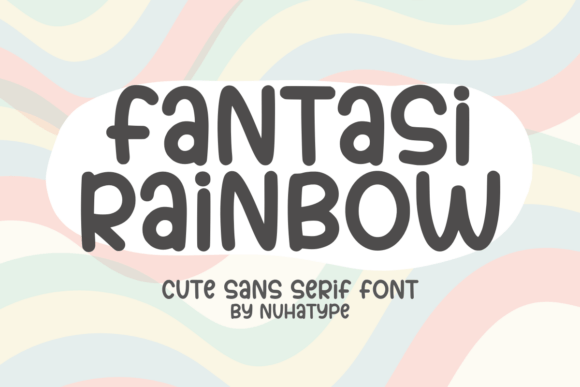
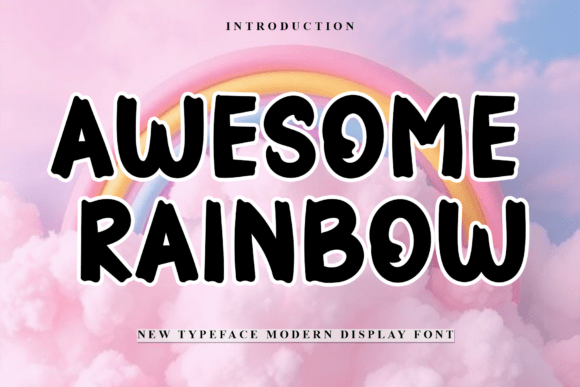
Awesome Rainbow features rounded, playful strokes that evoke a sense of joy and informality. Unlike rigid, formal fonts, its design invites a relaxed and friendly tone. This makes it particularly effective for projects that aim to feel personal, whimsical, or emotionally engaging. The font's hand-drawn aesthetic adds a layer of authenticity, helping to humanize digital content in a world often dominated by polished, impersonal visuals.
Its versatility across platforms—Adobe Photoshop, Illustrator, Canva, and more—means it's accessible to both seasoned designers and casual creators. With standard PUA-encoded glyphs, users can easily access extended characters and symbols, making it practical for multilingual or symbol-rich designs.
When to Use Awesome Rainbow for Maximum Impact
Strategic font use means aligning typographic choices with your message and audience. Awesome Rainbow shines in contexts where warmth, creativity, and personality are key. Consider it for:
- Personal branding efforts that aim to convey approachability and originality
- Event invitations and announcements that benefit from a cheerful, handcrafted look
- Social media graphics designed to stand out in fast-scrolling feeds
- Children's content, educational materials, or playful marketing campaigns
- Product packaging or branding that targets younger audiences or niche creative markets
However, it’s not a one-size-fits-all solution. Avoid using Awesome Rainbow in professional reports, legal documents, or corporate branding where clarity, authority, and neutrality are more appropriate.
Planning with Purpose: Integrating Awesome Rainbow Strategically
Intentional use of Awesome Rainbow starts with planning. Ask yourself:
- What is the goal of this design?
- Who is the audience?
- What tone should this message convey?
- How will this font support or enhance the brand identity?
For example, if you're launching a new line of handmade soaps and want your packaging to feel organic and inviting, Awesome Rainbow could reinforce that warmth. But if you're creating a financial report for investors, readability and professionalism should take precedence.
Avoiding Common Pitfalls with Creative Fonts
One of the biggest risks of using Awesome Rainbow—or any stylized font—is misalignment with the project's core message. Using it without a clear strategic purpose can lead to:
- Reduced readability in longer text blocks
- Inconsistent brand tone across marketing materials
- Visual fatigue if overused in repeated content
- Platform compatibility issues if not properly embedded or exported
To avoid these issues, always test the font in context. Try it in different sizes, color schemes, and layout formats to see how it performs. Consider pairing it with a clean, complementary font to maintain visual balance and ensure legibility where needed.
Enhancing Branding and Communication with Thoughtful Typography
Typography plays a subtle but powerful role in shaping perception. Awesome Rainbow can help establish a distinct brand personality when used as part of a broader visual strategy. For instance, bloggers or educators creating digital content for younger audiences might find it enhances engagement and memorability.
When building a brand identity, think of Awesome Rainbow as a supporting actor rather than the lead. Use it for headlines, callouts, or accent text where you want to inject energy and charm. Pair it with neutral, easy-to-read fonts for body text and subheadings to maintain clarity and structure.
Practical Tips for Using Awesome Rainbow Effectively
- Limit usage to headlines, logos, or short phrases to maintain legibility
- Test across devices and platforms to ensure consistent display
- Pair with neutral fonts to balance creativity with readability
- Customize spacing and weight to improve visual hierarchy
- Consider accessibility by ensuring sufficient contrast and size
Also, remember that trends come and go. What feels fresh and exciting today may feel dated in a year. If you're building long-term assets, consider how the use of Awesome Rainbow aligns with your brand’s evolution over time.
Long-Term Value: When Creative Fonts Support Strategic Goals
The long-term value of using Awesome Rainbow lies in its ability to support emotional connection and creative expression. When integrated thoughtfully into your design strategy, it can:
- Strengthen audience engagement through relatable visuals
- Support brand differentiation in crowded markets
- Encourage creative experimentation without sacrificing clarity
- Enhance content memorability through visual uniqueness
However, its value diminishes when used without purpose or consistency. A strategic approach ensures that Awesome Rainbow enhances your message rather than distracts from it.
Final Thoughts: Using Awesome Rainbow with Intention
In the world of design and communication, every choice matters—including font selection. Awesome Rainbow offers a unique opportunity to infuse warmth, creativity, and personality into your visual content. But like any creative tool, its power lies in how you use it.
By aligning your typographic choices with your goals, audience, and message, you can ensure that Awesome Rainbow contributes meaningfully to your work. Whether you're a marketer, educator, small business owner, or creator, a thoughtful approach to this font can help you communicate more effectively, connect more deeply, and create more memorable experiences.