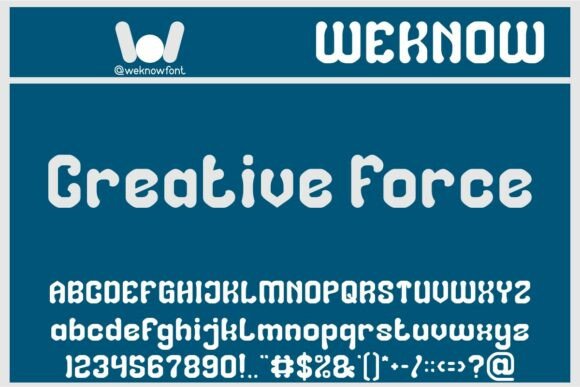
Creative Force: A Dynamic Font for Modern Design Workflows
Understanding Creative Force in the Design Ecosystem
Creative Force is more than just a font—it's a strategic design companion tailored for professionals and creators who need both personality and performance. Designed with geometric influences and a rounded sans serif display, this typeface blends modernity with a playful retro charm. Whether you're working on branding, editorial design, digital content, or product visuals, Creative Force adapts seamlessly to your creative process, offering a distinct visual voice that enhances user engagement and brand clarity.
Where Creative Force Fits in Your Creative Workflow
Design projects often follow a structured path—from ideation and planning to execution and delivery. Creative Force integrates naturally into each phase. During the early stages, it can serve as a mood-setter in mockups and concept boards, helping stakeholders visualize the tone of the final output. In production, it becomes a key visual asset, especially for headlines, logos, and UI elements. Post-launch, Creative Force contributes to brand consistency across marketing materials, social media, and digital platforms.
Early-Stage Planning and Concept Development
Before diving into visuals, many designers map out their direction using style guides, mood boards, and wireframes. Creative Force can be introduced here as a stylistic anchor. Its unique character helps define the aesthetic tone—whether you're aiming for youthful energy, modern elegance, or a retro-futuristic vibe. Using Creative Force early on ensures alignment between typography and overall design intent, streamlining the decision-making process later.
Production and Implementation
Once the direction is clear, Creative Force becomes a functional design element. Its rounded, sans serif form makes it highly readable while still standing out in display settings. Designers can use it across Adobe Creative Suite, Figma, Canva, or any vector-based tool. Whether you're designing a YouTube banner, a book cover, or a mobile app interface, Creative Force maintains clarity and character across different resolutions and formats.
Post-Production and Brand Continuity
After a project is launched, maintaining brand identity becomes crucial. Creative Force plays a role in ensuring consistency across various touchpoints. For instance, if a logo uses Creative Force, related marketing assets—social media posts, email newsletters, and merchandise—should mirror that typographic choice to reinforce brand recognition. This continuity strengthens audience recall and builds trust over time.
Integration with Other Tools and Platforms
Creative Force works best when incorporated into a broader design ecosystem. It's compatible with most major design tools and platforms, making it a versatile choice for cross-functional teams and solo creators alike.
- Adobe Creative Cloud: Easily embed Creative Force into Photoshop, Illustrator, or InDesign for print and digital projects.
- Figma & Sketch: Ideal for UI/UX design where legibility and visual appeal are equally important.
- Canva & Webflow: Perfect for non-designers and marketers who need professional-looking visuals without complex workflows.
- Video Editing Software: Use Creative Force in After Effects, Premiere Pro, or DaVinci Resolve for dynamic motion graphics and titles.
Additionally, Creative Force supports multiple file formats (OTF, TTF, WOFF), ensuring compatibility across desktop and web environments. This flexibility allows for smooth transitions between design, development, and publishing stages.
Use Cases Across Industries and Mediums
Creative Force thrives in environments where creativity meets clarity. Here’s how different professionals can integrate it into their workflows:
Branding and Marketing
For entrepreneurs and marketing teams, Creative Force adds a distinctive voice to brand identities. Whether it's used in a logo, packaging, or campaign headline, the font’s expressive nature helps brands stand out in crowded markets. Pair it with more neutral fonts for body text to maintain readability while letting Creative Force shine in key visual areas.
Publishing and Editorial Design
Writers, editors, and publishers can use Creative Force to differentiate their content. In magazines or book covers, it adds a modern, expressive tone that appeals to younger audiences. Its rounded edges and open spacing make it ideal for headlines and pull quotes, enhancing visual hierarchy without sacrificing legibility.
Digital Content Creation
Content creators on YouTube, Instagram, or TikTok benefit from Creative Force’s energetic vibe. Use it in thumbnails, video titles, or lower thirds to create a cohesive visual identity that viewers instantly recognize. Its adaptability across screen sizes ensures it looks sharp on both mobile and desktop platforms.
Gaming and Entertainment
Game developers and media producers often seek fonts that convey personality without overwhelming the interface. Creative Force strikes that balance. It works well in game menus, promotional materials, and even character dialogue boxes, especially in titles with a stylized or indie aesthetic.
Practical Tips for Using Creative Force
To get the most out of Creative Force, consider these practical implementation strategies:
- Pair Thoughtfully: Combine Creative Force with complementary fonts to create visual contrast. Sans-serif companions like Montserrat or Lato work well for supporting text.
- Adjust Kerning and Spacing: In headline use, tweak letter spacing to enhance readability, especially at larger sizes.
- Test Across Devices: Preview how Creative Force renders on different screens to ensure legibility and impact.
- Use in Limited Contexts: While expressive, Creative Force is best reserved for display use rather than long-form body text.
- Establish Usage Guidelines: If working in a team, document how and where to use Creative Force to maintain consistency across assets.
Ensuring Long-Term Usability and Consistency
For long-term projects or ongoing brand development, Creative Force should be part of a broader typographic strategy. This includes maintaining font licenses, storing assets properly, and documenting usage rules. Design teams should also consider how Creative Force interacts with other visual elements—color schemes, imagery styles, and layout structures—to ensure cohesive outcomes.
Version control is also important, especially when multiple team members are using the font across different platforms. Cloud-based design systems like Figma or Adobe Cloud Libraries help centralize Creative Force usage, reducing inconsistencies and streamlining collaboration.
Final Thoughts: Making Creative Force a Staple in Your Toolkit
Creative Force is not just a design asset—it's a tool that enhances how ideas are communicated. Whether you're crafting a logo, designing a website, or developing a brand strategy, its playful yet professional tone helps bridge the gap between function and expression. By integrating Creative Force into your workflow with intention and care, you unlock a new dimension of visual storytelling that resonates with audiences and elevates your creative output.
As with any design tool, the value of Creative Force lies in how you use it. When applied thoughtfully and consistently, it becomes more than a font—it becomes a signature element of your creative identity.