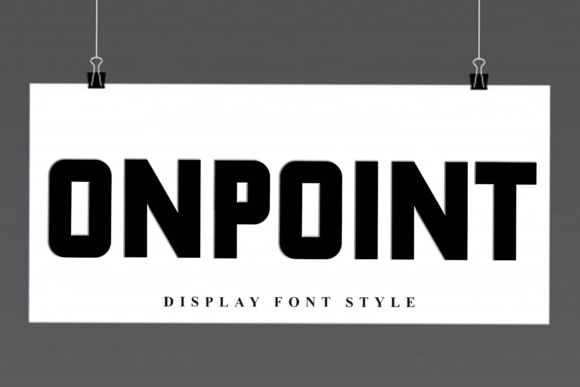
Onpoint: A Modern Font with Timeless Appeal
In the world of design, typography plays a critical role in shaping how messages are perceived. Among the many fonts available today, Onpoint stands out for its soft yet striking appearance. It’s not just another font—it’s a carefully crafted typeface that brings a unique personality to any project it’s used in. Whether you're designing a logo, a poster, or digital content, Onpoint adds a touch of elegance and modernity that resonates with contemporary audiences.
Why Typography Matters in Today’s Creative Landscape
The rise of digital platforms and visual storytelling has made typography more important than ever. With attention spans shrinking and content consumption happening at a rapid pace, the way text looks can determine whether a viewer engages or scrolls past. Onpoint addresses this need by offering a balance of clarity and character. Its distinctive strokes and flowing curves make it both readable and expressive, a rare combination that designers are increasingly seeking.
Onpoint in the Context of Design Trends
Modern design trends lean heavily toward minimalism, authenticity, and emotional resonance. Fonts like Onpoint align well with these preferences because they offer a human feel without sacrificing professionalism. As more creators move away from sterile, overused typefaces, there’s a growing demand for alternatives that feel personal yet polished. This shift is especially evident in branding, packaging, and digital marketing, where visual identity plays a key role in consumer connection.
Adapting to Changing Workflows and Tools
Designers today work across a variety of platforms and applications, from Adobe Creative Suite to open-source tools like Inkscape and GIMP. Onpoint is built to integrate seamlessly into these environments, ensuring consistent performance whether you're using Windows, macOS, or Linux-based systems. This cross-compatibility makes it a practical choice for freelancers and teams who need flexibility without compromising on quality.
How Onpoint Meets the Needs of Different Users
- For creatives: The font’s expressive nature makes it ideal for illustrations, greeting cards, and custom artwork.
- For marketers: Its visual appeal enhances social media graphics, landing pages, and promotional materials.
- For entrepreneurs: Onpoint adds a professional yet approachable tone to branding and product packaging.
- For educators: It can be used to create engaging handouts, presentations, and learning materials that capture attention.
Practical Design Tips Using Onpoint
- Pair it with a clean sans-serif font for contrast and readability in headings and body text.
- Use it in logo design to convey warmth and approachability while maintaining a modern edge.
- Experiment with color—Onpoint works well in both muted and vibrant palettes.
- Try it in print media like invitations or posters where a personal touch is desired.
The Evolution of Font Design and Why Onpoint Fits In
Typography has evolved from purely functional lettering to a core element of visual identity. Early digital fonts were often limited in style and application, but today’s designers expect more: versatility, personality, and adaptability. Onpoint reflects this evolution by offering a natural, handcrafted look that still performs well in digital environments. It bridges the gap between traditional calligraphy and modern digital design, making it a valuable asset for both print and screen-based media.
Meeting the Demand for Authenticity
Consumers are increasingly drawn to brands and content that feel genuine. This has led to a resurgence of hand-drawn elements, organic textures, and custom typography. Onpoint supports this movement by offering a soft, humanized aesthetic that feels intentional rather than generic. It’s especially effective in niches like wellness, lifestyle, and artisanal products, where trust and emotional connection are key.
What Makes Onpoint Stand Out
Many fonts try to capture a unique voice, but few manage to do so without sacrificing usability. Onpoint succeeds by combining visual appeal with technical performance. Its character set is comprehensive, supporting multiple languages and special symbols, which makes it suitable for international use and diverse creative needs. Whether you're designing a personal blog or a commercial product, Onpoint offers the flexibility to express your message with clarity and style.
Real-World Applications of Onpoint
Consider a small business owner launching a new line of natural skincare products. Using Onpoint in their branding materials helps communicate a sense of care, craftsmanship, and modern simplicity. Similarly, a freelance illustrator might choose Onpoint for captions and titles in a digital portfolio to add a personal, handcrafted feel without distracting from the artwork itself.
Looking Ahead: The Future of Typography and Onpoint’s Role
As technology continues to evolve, so will the expectations around design. Variable fonts, adaptive layouts, and AI-assisted design tools are already shaping the future of typography. While Onpoint is currently a static font, its design philosophy aligns with the direction of modern typography—where beauty and functionality coexist. Designers who adopt it today are investing in a timeless aesthetic that can grow with changing trends.
Making the Most of Onpoint
If you're considering using Onpoint, start by experimenting with different weights and spacing. Don’t be afraid to mix it with other fonts to create visual hierarchy. Remember, typography is not just about legibility—it’s about tone, emotion, and brand identity. By choosing a font that reflects your message, you’re one step closer to creating designs that truly resonate.