The Rise of Pinky Babble: A Fresh Font for Modern Creatives
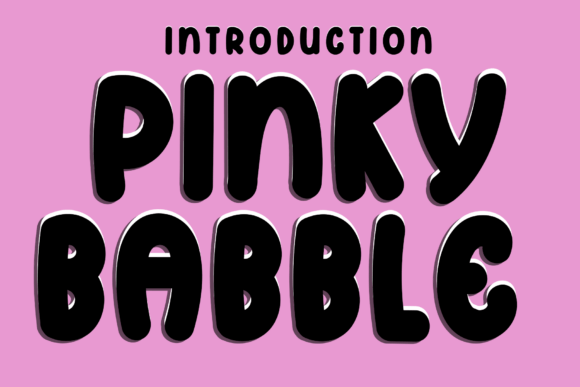
In the ever-evolving world of design and digital communication, typography plays a pivotal role in shaping brand identity and user experience. Among the latest typefaces gaining traction is Pinky Babble — a casual and neat display font that blends simplicity with a warm, approachable aesthetic. With its clean lines, balanced letterforms, and subtle rounded edges, Pinky Babble captures the essence of modern handwritten typography while maintaining a polished finish. This font isn’t just a design choice; it’s a reflection of current trends in branding, digital content, and consumer expectations.
What Makes Pinky Babble Stand Out?
At first glance, Pinky Babble feels familiar yet refined. It’s not a wild, exaggerated script, nor is it sterile or overly formal. Instead, it strikes a perfect middle ground — offering the organic feel of handwriting with the clarity and professionalism required in modern design environments.
- Clean, legible structure ensures it works well across both print and digital platforms.
- Subtle rounded corners add a soft, friendly tone without sacrificing readability.
- Well-balanced spacing makes it ideal for headlines, packaging, and social media visuals.
This combination of traits makes it especially appealing to designers who want to communicate warmth and authenticity while maintaining a contemporary edge. Whether used in a startup’s logo, a lifestyle brand’s packaging, or a digital campaign’s call-to-action, Pinky Babble adapts effortlessly.
Aligning with Industry Trends
The growing popularity of Pinky Babble is not an isolated phenomenon. It reflects broader shifts in design preferences, consumer behavior, and digital communication strategies. In recent years, there has been a noticeable move toward more human-centric, emotionally resonant design. Brands are no longer just selling products or services — they’re crafting experiences, and typography is a key part of that narrative.
Consider the rise of authenticity-driven branding, where businesses aim to connect with audiences on a personal level. In this context, a font like Pinky Babble fits seamlessly. It conveys sincerity without being overly whimsical and modernity without feeling cold or impersonal. This aligns well with the preferences of millennial and Gen Z consumers, who value transparency, approachability, and visual clarity.
Why Designers and Marketers Are Taking Notice
So why are professionals gravitating toward Pinky Babble? The answer lies in its versatility and emotional resonance. As digital platforms become more saturated, standing out requires a thoughtful balance of aesthetics and functionality. Pinky Babble delivers both.
For branding agencies, it offers a fresh alternative to overused sans-serif fonts. For entrepreneurs launching direct-to-consumer brands, it provides a way to communicate warmth and trust without compromising on modernity. And for digital marketers, it enhances visual content across social media, landing pages, and email campaigns, where readability and emotional impact are crucial.
- Startups use it in logos and product packaging to evoke a sense of approachability.
- Content creators incorporate it into Instagram stories and YouTube thumbnails to add a personal, handcrafted feel.
- E-commerce brands apply it in promotional banners to enhance readability and engagement.
Meeting Evolving Design Needs
As workflows and expectations evolve, so do the tools designers use. The demand for responsive, cross-platform typography has never been higher. Pinky Babble rises to the challenge by offering a design that scales well across devices and formats. Whether viewed on a mobile screen or printed on a label, its clarity and charm remain intact.
This adaptability is particularly important in the age of hybrid content creation — where a single brand identity must translate seamlessly from a website to a social media post to a physical product. Fonts like Pinky Babble help bridge those gaps by maintaining a consistent tone while adjusting to different visual contexts.
Moreover, the shift toward remote collaboration and digital asset sharing has made it essential for fonts to be accessible, easy to implement, and compatible with major design tools. Pinky Babble’s clean structure and open character set make it ideal for use in platforms like Figma, Adobe Creative Cloud, and Canva, ensuring that teams can work efficiently without compromising quality.
Practical Applications and Real-World Examples
Let’s take a closer look at how Pinky Babble is being used in practice:
- Lifestyle brands use it in wellness app interfaces to create a calming, inviting atmosphere.
- Freelance designers integrate it into portfolio websites to showcase a balance of professionalism and personality.
- Event planners apply it in digital invitations and promotional materials to add a touch of elegance with a casual flair.
In each of these cases, the font contributes to a cohesive brand voice. It doesn’t overpower the message — it enhances it. This subtlety is a key reason why Pinky Babble is gaining attention among professionals who understand the importance of thoughtful design.
Looking Ahead: Typography as a Strategic Tool
Typography is no longer just about aesthetics — it’s a strategic element of communication. As brands continue to refine their digital presence and consumers become more design-savvy, the fonts they choose carry more weight than ever. Pinky Babble represents a shift toward more intentional, emotionally intelligent design choices that align with both visual trends and deeper cultural shifts.
Looking ahead, we can expect to see more fonts like Pinky Babble — those that blend human warmth with digital precision. These typefaces will be instrumental in shaping the next generation of brand identities, digital interfaces, and creative content. As such, staying attuned to these developments is not just beneficial for designers — it’s essential for any professional looking to connect meaningfully with their audience.
Conclusion: A Font for the Modern Creative Landscape
In summary, Pinky Babble is more than just a stylish display font. It’s a reflection of current design sensibilities and consumer expectations. Its clean yet friendly appearance, combined with its adaptability across platforms, makes it a powerful tool for branding, marketing, and digital storytelling. Whether you’re a startup founder, a freelance designer, or a content creator, incorporating Pinky Babble into your visual strategy can help you communicate authenticity, clarity, and warmth — all in one elegant package.
As the design world continues to evolve, fonts like Pinky Babble will play a crucial role in bridging the gap between functionality and emotion. By choosing typography that aligns with both your brand’s personality and your audience’s preferences, you’re not just selecting a font — you’re crafting a more meaningful connection.